
How Wetland Mitigation Protects Water Quality and Reduces Flood Risks

Wetlands are often called the “kidneys of the landscape” because of their natural
ability to filter water, reduce flooding, and support biodiversity. Unfortunately, many wetlands have been lost or
degraded due to urban development, agriculture, and industrial activities. This is where wetland mitigation becomes
essential. By restoring, creating, or preserving wetlands, communities can protect water quality, manage flood
risks, and maintain ecological balance.

In this article, we’ll explore how wetland mitigation works, why it’s crucial for clean
water and flood control, and how professional Wetland and Waterway Services play a vital role in long-term
sustainability.

What Is Wetland Mitigation?

Wetland mitigation is the process of compensating for the loss or degradation of
wetlands caused by development or other human activities. It usually involves:

  • Restoration – repairing damaged
    wetlands to their natural state
  • Creation – developing new
    wetland areas to replace lost ones
  • Enhancement – improving existing
    wetlands for better ecological function
  • Preservation – protecting
    high-value wetlands from future harm

Through stream and wetland mitigation, developers
and communities can offset environmental impacts while maintaining compliance with environmental regulations such as
the Clean Water Act.

How Wetland Mitigation Protects Water Quality

Healthy wetlands act as natural water filters. Here’s how mitigation helps safeguard
water quality:

1. Nutrient Filtration

Wetlands absorb and filter out pollutants like nitrogen and phosphorus from stormwater
and agricultural runoff. This prevents harmful algal blooms and improves overall water clarity.

2. Sediment Control

Vegetation in wetlands traps sediments before they enter rivers and lakes. This reduces
turbidity, improves aquatic habitats, and prevents clogged waterways.

3. Chemical Breakdown

Wetlands play a crucial role in breaking down pesticides, heavy metals, and other
contaminants. Through natural microbial activity, many pollutants are neutralized before they reach groundwater or
surface water, such as streams.

By investing in Wetland and Waterway Services, communities can restore degraded wetlands
and ensure cleaner, healthier water supplies for both people and wildlife.

How Wetland Mitigation Reduces Flood Risks

Flooding is a growing concern due to climate change and urban expansion. Wetlands are
powerful allies in managing flood risks.

1. Natural Water Storage

Wetlands act like sponges, absorbing excess rainfall and slowly releasing it over time.
This reduces the severity of flash floods.

2. Flow Regulation

Restored wetlands help regulate stream flow by slowing down fast-moving water. This
prevents downstream flooding and erosion.

3. Groundwater Recharge

By holding and filtering water, wetlands allow more infiltration into groundwater
reserves. This helps maintain stable water tables, especially during dry seasons.

4. Coastal and Riverbank Protection

In coastal areas, wetlands buffer storm surges, while along rivers, they reduce
streambank erosion. Together, these functions protect infrastructure, farmland, and communities.

Through stream and wetland mitigation, local governments and developers can reduce
long-term flood damage while preserving natural resilience.

The Role of Wetland and Waterway Services

Professional Wetland and Waterway Services provides the
expertise needed to design, implement, and monitor mitigation projects. Their services often include:

  • Hydrological and ecological
    assessments
  • Wetland design and engineering
  • Streambank stabilization and erosion
    control
  • Habitat restoration for fish and
    wildlife
  • Long-term monitoring and compliance
    reporting

By working with experts, projects not only meet regulatory requirements but also achieve
meaningful environmental benefits.

Benefits Beyond Water and Flood Protection

In addition to cleaner water and reduced flood risks, stream and wetland mitigation also
provides:

  • Biodiversity support – Wetlands
    serve as critical habitats for a wide range of fish, birds, amphibians, and plants.
  • Climate resilience – Wetlands
    capture carbon and help buffer communities against extreme weather.
  • Recreation and education
    Restored wetlands create opportunities for eco-tourism, outdoor learning, and community engagement.
  • Economic savings – Preventing
    flood damage and improving water quality result in lower long-term infrastructure and treatment
    costs.

Final Thoughts

Wetlands are one of nature’s most effective tools for protecting water quality and
controlling floods. Through stream and wetland mitigation, we can restore these vital ecosystems, reduce
environmental risks, and build resilient communities. Partnering with professional Wetland and Waterway Services
ensures that mitigation projects deliver lasting benefits for people, wildlife, and the planet.

By prioritizing wetland protection and restoration, we safeguard not just today’s
environment but also the health and security of future generations.
Why Your Project Needs Professional Stream Restoration Services

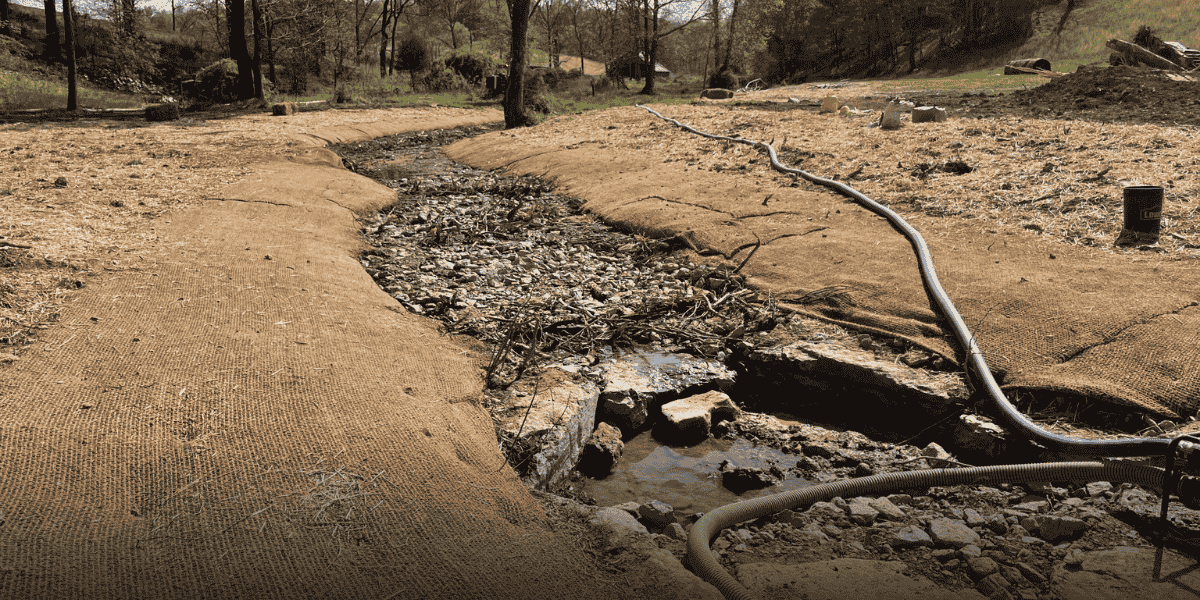
As urban development expands and climate conditions become more unpredictable, the health of our natural waterways is under increasing stress. Streams that once flowed freely are now struggling with erosion, sediment buildup, flooding, and habitat degradation. While community-driven cleanup initiatives and volunteer efforts can make a positive impact, stream restoration is a complex process that demands far more than goodwill; it requires expertise.

If you’re facing erosion issues, water quality concerns, or property damage near a stream, it’s time to consider professional stream restoration services. In this blog post, we’ll explain why hiring experts for your stream restoration project is not just a smart choice, but also essential for long-term success, regulatory compliance, and ecological sustainability.

What are Stream Restoration Services?

Stream restoration services involve the scientific and technical restoration of degraded stream ecosystems. These services aim to return a stream to a more natural and stable condition, improving its physical form, ecological function, and water quality.

Typical restoration services include:

  • Channel reconfiguration
  • Streambank stabilization
  • In-stream habitat enhancement
  • Riparian buffer planting
  • Stormwater and sediment control
  • Invasive species removal

When done right, these services reduce erosion, enhance biodiversity, improve flood resilience, and restore the stream’s role in the local watershed.

Why Professional Stream Restoration Services Matter

1. Scientific Expertise and Technical Knowledge

Stream restoration is more than planting a few trees or adding rocks to a streambed. It involves:

  • Hydrology and hydraulics
  • Soil science and erosion control
  • Aquatic ecology and native species management
  • Watershed-level analysis

Professional restoration teams include engineers, ecologists, hydrologists, and landscape designers who analyze every aspect of the site to create a holistic restoration plan. Their training ensures that interventions align with natural processes, rather than working against them.

2. Accurate Site Assessment and Data Collection

Before a single shovel hits the ground, professional services begin with a comprehensive site assessment, which includes:

  • Topographic and stream channel surveys
  • Water quality testing
  • Sediment and soil analysis
  • Vegetation and wildlife inventories
  • Historical land use and hydrology patterns

This baseline data is vital for creating an effective, customized solution. Without it, restoration efforts may be misguided or short-lived.

3. Customized Design Plans

Every stream is unique. That’s why professional teams develop site-specific restoration designs tailored to your land, stream conditions, and project goals.

A qualified restoration company will consider:

  • Stream slope and velocity
  • Watershed characteristics and drainage patterns
  • Erosion zones and sediment sources
  • Land use impacts upstream and downstream
  • Wildlife habitat needs

They’ll design a system that improves ecological function while reducing future maintenance costs.

4. Permitting and Regulatory Compliance

Restoration projects often intersect with federal, state, and local regulations, including:

  • The Clean Water Act (CWA)
  • FEMA floodplain regulations
  • Endangered Species Act
  • Local stormwater ordinances

Professional stream restoration firms understand these regulations and can:

  • Prepare environmental assessments
  • Secure permits from the Army Corps of Engineers, EPA, or local authorities
  • Ensure compliance with wetland and buffer zone protections

Navigating these legal requirements can be complex, but professionals handle the red tape for you.

5. Proper Use of Materials and Techniques

Professionals use proven materials and bioengineering techniques designed for long-term performance. These might include:

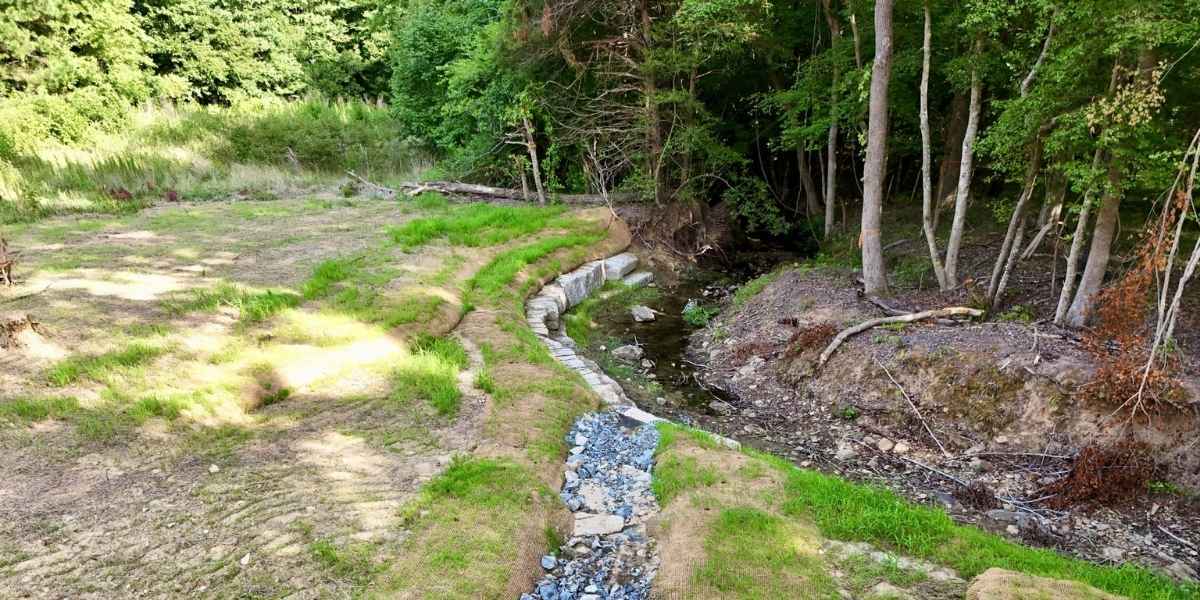
  • Live staking and coir logs for bank stabilization
  • Boulder and wood structures to enhance the aquatic habitat
  • Rock riffles to control grade and water velocity
  • Native plantings to stabilize soil and support biodiversity

They also ensure materials are properly installed and tested under varying flow conditions to prevent failures.

6. Cost Efficiency and Long-Term Value

It may seem counterintuitive, but hiring a professional can actually save money in the long run.

Poorly designed DIY restoration efforts often lead to:

  • Erosion recurring after heavy rains
  • Failed plantings
  • Costly repairs
  • Regulatory fines or permit violations

A professional approach ensures the project is built to last, reducing ongoing maintenance costs and safeguarding your investment.

7. Enhanced Environmental Outcomes

Professionally restored streams support:

  • Clean water through natural filtration
  • Stable streambanks that prevent land loss
  • Healthy aquatic habitats for fish and macroinvertebrates
  • Riparian buffers that reduce runoff and pollution
  • Increased biodiversity and ecosystem resilience

These benefits extend beyond your property, positively impacting the entire watershed.

8. Post-Restoration Monitoring and Maintenance

A reputable stream restoration service doesn’t walk away after the construction is complete. They provide:

  • Monitoring protocols to track success metrics like vegetation growth, bank stability, and wildlife presence
  • Maintenance plans to address issues like plant die-off or sediment shifts
  • Adaptive management strategies to ensure long-term project goals are met

This proactive approach leads to sustainable success, not just short-term fixes.

Who Can Benefit from Stream Restoration Services?

Professional stream restoration is ideal for:

  • Private landowners with creeks or streams on their property
  • Developers needing stormwater and mitigation solutions
  • Municipalities managing flood-prone areas or urban waterways
  • Agricultural land managers are combating erosion and runoff
  • Parks, land trusts, and conservation groups preserving natural areas

Whether your goal is compliance, conservation, or property protection, restoration services offer the expertise and tools you need.

Final Thoughts

Stream degradation is a serious issue, but it’s not irreversible. With the right approach, even the most damaged waterways can be transformed into vibrant, functional ecosystems. That transformation begins with professional stream restoration services.

From site assessment and design to permitting, implementation, and monitoring, hiring experts ensures your project is done right the first time. The result? A healthier stream, better land stability, enhanced property value, and a lasting contribution to the environment.

If you’re planning a restoration project or noticing signs of streambank erosion, flooding, or habitat loss, don’t go it alone. Contact a professional restoration provider today and take the first step toward sustainable stream recovery.

Want Help with Your Stream Restoration Project in North Carolina?

Wright Contracting specializes in comprehensive stream restoration services for private, commercial, and public projects. Get in touch today for a free consultation or site evaluation.

Why Stream and River Management Is Essential for Biodiversity

What Is Stream and River Management?

Stream and river management refers to the strategic planning, restoration, and conservation of freshwater systems to ensure their ecological health, stability, and functionality.

  • Controlling erosion and sedimentation
  • Restoring natural flow patterns
  • Reducing pollution and runoff
  • Rehabilitating riparian (riverbank) habitats
  • Preserving aquatic life and water quality

The Role of Rivers and Streams in Supporting Biodiversity

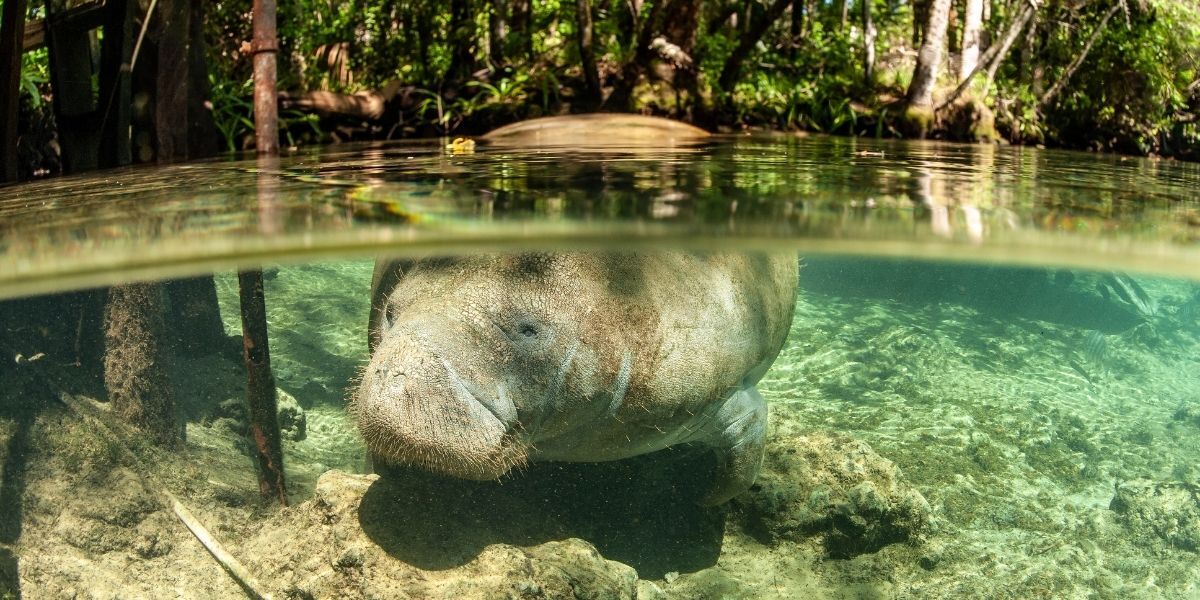
Streams and rivers are biodiversity hotspots, home to a wide range of organisms, including:

  • Fish (e.g., trout, salmon, catfish)
  • Amphibians (frogs, salamanders)
  • Invertebrates (dragonflies, mayflies, crayfish)
  • Birds (kingfishers, herons)
  • Mammals (otters, beavers, water voles)
  • Aquatic plants and algae

These freshwater ecosystems serve as critical breeding, feeding, and migratory habitats for many species.

Threats to Biodiversity in Streams and Rivers

1. Pollution and Contaminants

Industrial discharge, agricultural runoff, and untreated sewage introduce harmful chemicals and nutrients into waterways, leading to algal blooms, oxygen depletion, and the decline of sensitive species.

2. Habitat Fragmentation

Dams, weirs, and culverts can block the movement of aquatic species, reducing genetic diversity and breeding success.

3. Altered Flow Regimes

Excessive water extraction or altered flows from dam releases disrupt the natural hydrological cycle, affecting species that rely on seasonal changes.

4. Invasive Species

Non-native species often outcompete or prey on native species, disrupting the natural food chain and reducing local biodiversity.

5. Climate Change

Rising temperatures and changing rainfall patterns are increasing the frequency of droughts and floods, altering habitats and threatening species that are not adapted to rapid environmental change.

Why Stream and River Management Matters for Biodiversity

1. Maintains Habitat Integrity

Proper management ensures that rivers maintain their natural physical structure, which is essential for supporting diverse habitats, such as pools, riffles, and wetlands.

2. Restores Natural Flow and Connectivity

Eco-friendly water management strategies help mimic natural seasonal flows, allowing fish and other aquatic life to migrate and reproduce successfully.

3. Improves Water Quality

Reducing runoff and restoring riparian habitat can filter pollutants, stabilize temperatures, and provide cleaner water for both wildlife and humans.

4. Promotes Ecosystem Resilience

Healthy, biodiverse waterways are better equipped to withstand and recover from environmental stressors, such as floods, droughts, and disease outbreaks.

5. Supports Human and Environmental Health

Biodiverse streams and rivers play a crucial role in providing clean drinking water, supporting agriculture, promoting recreation, and regulating the climate.

Best Practices in Stream and River Management for Biodiversity

  • Riparian Buffer Restoration: Planting native vegetation along riverbanks to prevent erosion and provide wildlife habitat
  • Natural Channel Design: Reconstructing riverbeds to resemble natural watercourses
  • Fish Passage Solutions: Installing fish ladders or removing barriers to support migration
  • Sediment and Erosion Control: Using eco-engineering methods to stabilize riverbanks
  • Wetland Restoration: Reconnecting rivers to floodplains and wetlands to support aquatic diversity
  • Monitoring Programs: Tracking water quality and biodiversity to guide adaptive management

Sustainable Infrastructure and Low-Impact Development

Modern urban and transportation infrastructure can worsen flood risks and degrade aquatic ecosystems. But smart engineering can help:

  • Green infrastructure (bioswales, permeable pavements, rain gardens)
  • Eco-friendly road and bridge crossings that protect stream flow and wildlife passage
  • Integrating biodiversity goals into civil engineering and urban planning

Final Thoughts

Protecting our streams and rivers is more than a matter of water quality; it’s a foundation for life. Stream and river management ensures that our ecosystems remain rich in biodiversity, resilient to change, and valuable to future generations.

Investing in sustainable freshwater management isn’t just good environmental policy; it’s essential for protecting the intricate web of life that depends on these precious water resources.

Why Riparian Habitat Restoration Matters: Benefits for Ecosystems and Communities

Riparian habitat restoration is not just an environmental initiative; it’s a lifeline for ecosystems and communities alike. Found along the edges of rivers, streams, and other freshwater bodies, riparian zones are some of the most biologically rich and ecologically vital areas on Earth. Yet, they are also among the most degraded.
Why riparian habitat restoration matters is a question that bridges environmental science, community development, public health, and climate resilience. Whether you’re a policymaker, farmer, urban planner, or simply someone passionate about the environment, understanding the far-reaching benefits of riparian habitat restoration can inspire action and change.
Let’s dive into the multifaceted advantages of restoring these dynamic natural corridors.

What is Riparian Habitat?

A riparian habitat refers to the interface between land and a river or stream. It includes both the vegetation and soil that border water bodies. These habitats are transition zones that link terrestrial and aquatic ecosystems, playing a vital role in the health of both.
Rich in biodiversity, these areas host a variety of plant and animal species and serve as crucial migration pathways. Healthy riparian zones are characterized by native vegetation that stabilizes the soil, filters pollutants, and moderates water temperatures in adjacent water bodies.
When these habitats are degraded due to development, agriculture, or invasive species, the ripple effects can devastate ecosystems and human livelihoods.

What is Riparian Habitat Restoration?

Riparian habitat restoration refers to the process of returning degraded riparian zones to their natural or functional state. This involves a variety of conservation practices, such as:

  • Removing invasive plant species
  •  Replanting native vegetation
  • Restoring natural stream flows
  • Stabilizing stream banks
  • Improving water quality and connectivity

Environmental organizations, local governments, Indigenous communities, and citizen-led conservation groups typically carry out these efforts. Restoration can take place on both public and private lands and may involve partnerships between multiple stakeholders.

Benefits of Riparian Habitat Restoration

1. Biodiversity Enhancement

Riparian zones support a wide range of flora and fauna. By restoring native vegetation and improving habitat conditions, restoration efforts help revive populations of:

  •  Amphibians and fish (like salmon and trout)
  • Birds (including migratory and nesting species)
  • Mammals (such as beavers and deer)
  • Insects and pollinators (like bees and butterflies)

This increase in biodiversity leads to more stable ecosystems that are better able to resist invasive species and environmental stressors.

2. Water Quality Improvement

Riparian vegetation acts as a natural filter. It traps sediment, absorbs excess nutrients, and breaks down pollutants before they can enter waterways. Restoration projects help:

  • Reduce nitrate and phosphate runoff from agriculture
  • Lower sedimentation rates in streams
  • Improve clarity and oxygen levels in water
  • Reduce harmful algal blooms

Clean water supports not only aquatic life but also human populations that depend on rivers and lakes for drinking water, fishing, and recreation.

3. Flood and Erosion Control

Healthy riparian zones act like natural sponges. Their root systems stabilize soil, reducing bank erosion, while their vegetation slows down surface runoff, allowing water to percolate into the ground. Restoration helps to:

  • Minimize flood risk during heavy rainfall
  • Prevent costly damage to property and infrastructure
  •  Reduce downstream sediment loads that clog waterways

Increased resilience to extreme weather events is especially important as climate change drives more frequent and intense storms.

4. Carbon Sequestration and Climate Mitigation

Riparian vegetation absorbs and stores atmospheric carbon dioxide (COâ‚‚), helping mitigate climate change. Restoration projects that reintroduce forests, shrubs, and grasses contribute to:

  • Increased carbon storage in biomass and soil
  • Cooler local temperatures through shade and evapotranspiration
  •  Climate-resilient landscapes that buffer communities from heatwaves

Riparian zones can play a small but meaningful role in national and regional climate strategies.

5. Economic and Recreational Benefits

Restored riparian areas attract tourists, anglers, bird watchers, and nature lovers. This can lead to:

  • Boosts in local tourism revenue
  •  Job creation in restoration, maintenance, and ecotourism
  • Higher property values near restored waterways
  • Improved public health and well-being through access to green space

Healthy riparian zones can also support traditional practices such as fishing, foraging, and medicine harvesting in rural and Indigenous communities.

6. Cultural and Educational Value

Many Indigenous cultures hold deep spiritual, cultural, and historical ties to rivers and riparian landscapes. Restoration efforts often incorporate traditional ecological knowledge (TEK), ensuring cultural practices are respected and revitalized. Additionally:

  • Schools and universities use restored sites for environmental education
  • Community involvement in restoration fosters environmental stewardship
  • Interpretive trails and signage promote public awareness

These benefits strengthen community identity and inspire future conservation efforts.

Challenges in Riparian Restoration

Despite the clear benefits, several challenges remain:

  • Funding constraints: Restoration projects can be costly and require long-term investment.
  • Landowner cooperation: Much riparian land is privately owned, requiring outreach and incentive programs.
  • Climate variability: Droughts, floods, and shifting weather patterns can complicate restoration success.
  • Invasive species: Non-native plants often outcompete native ones unless carefully managed.
  • Overcoming these challenges involves collaboration among scientists, governments, NGOs, and local stakeholders.

Complete Riparian Habitat Restoration in NC by Wright Contracting

At Wright Contracting, we offer complete, end-to-end riparian habitat restoration services in North Carolina. With years of hands-on experience, we’ve developed a deep understanding of our local waterways, from the Piedmont to the Coastal Plain. Our team combines ecological sensitivity with cutting-edge technology and a solid grasp of regulatory requirements to deliver results that last. We’ve restored hundreds of miles of streams, rivers, and wetlands. With nearly every client choosing to work with us again, we take pride in knowing we’re not just improving landscapes; we’re making a real, lasting difference for the environment and our communities.

Final Thoughts

From cleaner water and healthier soils to stronger communities and more resilient ecosystems, riparian habitat restoration is a cornerstone of sustainable development. It’s not just about restoring nature—it’s about restoring balance between humans and the natural world.
Understanding why riparian habitat restoration matters empowers us to protect and rebuild one of our planet’s most vital lifelines.

The Science Behind Stream Restoration Services: Techniques & Benefits

Waterways are vital to our ecosystems. They shape landscapes, support wildlife, and provide clean water. When natural streams are changed or damaged, they cause significant environmental problems. Stream restoration services help restore the balance between ecological science and practical environmental repair.

What Is Stream Restoration?

Stream restoration is the process of returning a degraded or modified stream to a more natural state. The goal is to enhance ecological integrity, improve water quality, and restore natural hydrology.

Common causes of stream degradation include:

  • Urban development and construction
  • Agricultural runoff
  • Erosion and sedimentation
  • Channel straightening or damming

Stream restoration services combine hydrology, ecology, engineering, and geomorphology to tackle these issues head-on.

Why Are Stream Restoration Services Important?

Healthy streams do more than carry water:

  • Filter pollutants before they reach larger water bodies
  • Provide habitats for fish, amphibians, and plant life
  • Recharge groundwater supplies
  • Help manage flood risk
  • Increase biodiversity and ecological resilience

According to the U.S. Environmental Protection Agency (EPA), over 50% of streams and rivers in the United States are considered impaired. Stream restoration services offer a proactive solution.

Core Techniques Used in Stream Restoration

Restoring a stream isn’t as simple as planting a few trees or removing trash. It’s a multi-disciplinary approach involving tailored techniques depending on the stream’s condition and surroundings.

1. Re-meandering of Straightened Channels

Many streams were historically straightened for agriculture or urban development, which disrupts natural flow. Reintroducing meanders helps:

  • Reduce water velocity
  • Promote sediment deposition
  • Support diverse aquatic habitats

2. Bank Stabilization

Unstable stream banks can erode, dumping sediments into the water. Techniques include:

  • Riprap (rock placement)
  • Live staking with native vegetation
  • Coir logs (biodegradable fiber rolls)

These strategies hold soil in place while enhancing the natural appearance.

3. In-Stream Habitat Enhancement

Installing structures like woody debris, boulders, or riffle-pool sequences helps:

  • Create habitats for fish and macroinvertebrates
  • Improve oxygen levels in the water
  • Mimic natural variability in flow and depth

4. Floodplain Reconnection

Restoring a stream’s connection to its floodplain:

  • Increases water storage during storms
  • Reduces flood damage downstream
  • Supports wetland vegetation and wildlife

5. Riparian Buffer Restoration

Vegetated areas along stream banks serve as a buffer between the water and adjacent land uses. Planting native trees, grasses, and shrubs helps:

  • Filter pollutants
  • Provide shade to regulate water temperature
  • Prevent erosion

The Science That Drives Stream Restoration

Stream restoration services aren’t guesswork, they’re grounded in rigorous science and data. Here’s a glimpse of what informs the work:

1. Hydrology & Geomorphology

Professionals analyze the stream’s:

  • Flow rates and seasonal variations
  • Sediment transport and erosion patterns
  • Channel shape and slope

This data ensures that restoration mimics natural processes, rather than imposing artificial fixes.

2. Biology & Ecology

Stream ecosystems are delicately balanced. Restoration experts consider:

  • Aquatic species population and migration needs
  • Riparian plant communities
  • Invasive species control

Biodiversity assessments help shape a restoration plan that supports native life.

3. Water Quality Monitoring

Regular sampling of water helps track:

  • pH, dissolved oxygen, and nutrient levels
  • Presence of contaminants (e.g., nitrates, phosphates)
  • Turbidity and sediment load

This scientific approach validates the effectiveness of restoration over time.

Key Benefits of Stream Restoration Services

Implementing stream restoration services results in far-reaching ecological and social benefits, including:

Environmental Benefits

  • Enhanced biodiversity
  • Improved water quality
  • Reduced erosion and sedimentation
  • Increased carbon sequestration

Community Benefits

  • Flood mitigation
  • Recreational spaces and trails
  • Educational and outreach opportunities
  • Boost in property values

Economic Benefits

  • Lower long-term maintenance costs
  • Job creation in environmental consulting and landscaping
  • Support for eco-tourism and recreation-based businesses

Challenges & Considerations

While stream restoration offers immense value, it’s not without challenges:

  • Permitting and regulatory compliance can be complex
  • Funding and budgeting require long-term commitment
  • Ongoing maintenance is crucial to preserve results
  • Stakeholder coordination is often needed across the public and private sectors

A qualified stream restoration service provider can help navigate these challenges with strategic planning and science-based solutions.

How to Get Started with Stream Restoration

When contemplating stream restoration, whether you are a municipality, business, or landowner, it is essential to begin with a structured approach:

  1. Consulting with a certified environmental or civil engineer
  2. Requesting a stream assessment to determine current conditions
  3. Developing a restoration plan tailored to your goals and landscape
  4. Applying for grants or incentives available through state and federal programs
  5. Engaging your community in restoration and stewardship efforts

Final Words

Stream restoration is more than an environmental service; it’s a vital investment in the health of our ecosystems and communities. By applying scientific principles to restore natural stream functions, we can improve water quality, protect wildlife, and reduce the risks of flooding and erosion. While the process requires careful planning, expertise, and long-term commitment, the ecological, economic, and social rewards are well worth the effort. Whether you’re a property owner, developer, or public official, taking action today can help ensure that our waterways remain vibrant, resilient, and beneficial for generations to come.

Why Investing in Flood Risk Management Services is Crucial for Your Safety

Can a Structural Engineer Stop My House From Sinking?

Sinking or settling of a house’s foundation can be a worrying and dangerous problem for homeowners. In some cases, the structural integrity and safety of the home may be threatened. Consulting a qualified structural engineer is often the best solution when a home is sinking or settling unevenly.

What Causes House Foundations to Sink?

There are several potential causes of foundation sinking or uneven settlement in a house:

Poor Soil Conditions

  • Cracks in walls, ceilings, or door/window frames.
  • Doors and windows are sticking or not closing properly.
  • Separation between walls and ceilings or floors and baseboards.
  • Visible cracks in the foundation or basement floor.
  • Exterior cracks near foundations.

Thorough Visual Inspection

Checking all floors, walls, joints, and foundations for signs of cracking, separation, or distortion.

  • Cracks in walls, ceilings, or door/window frames.
  • Doors and windows are sticking or not closing properly.
  • Separation between walls and ceilings or floors and baseboards.
  • Visible cracks in the foundation or basement floor.
  • Exterior cracks near foundations.

How Flood Risk Management Services Help in Construction Planning

In the world of construction, one factor can turn a dream project into a costly disaster flooding. Whether you’re planning a housing development, commercial property, or infrastructure project, overlooking flood risk can lead to financial loss, legal hurdles, and safety issues. That’s where flood risk management services come in. They’re not just a regulatory checkbox; they’re a critical piece of smart, sustainable construction planning.

What Are Flood Risk Management Services?

Flood risk management services are specialized assessments and strategies designed to identify, evaluate, and reduce the risk of flooding in specific areas—especially those where construction is planned.

These services often include:

  • Hydrological studies
  • Floodplain mapping
  • Runoff analysis
  • Drainage design
  • Stormwater management plans
  • Regulatory compliance support

Think of them as a GPS for navigating environmental risks. With expert data and Modeling, developers and planners can make informed decisions, avoiding flood-prone areas or mitigating risks through design.

Why Flood Risk Management Is Crucial in Construction Planning

1. Protects Infrastructure Investment

Flood damage can be devastating. A single flood event can result in:

  • Structural damage
  • Foundation issues
  • Erosion
  • Equipment loss

By integrating flood risk data early in the planning stage, developers can avoid high-risk areas or design resilient structures.

2. Ensures Legal and Regulatory Compliance

In most regions, local and national planning authorities require flood risk assessments before granting construction approvals. Non-compliance can delay projects or lead to heavy fines.

Flood risk management services help developers:

  • Navigate complex regulations
  • Prepare required documentation
  • Obtain timely approvals

3. Improves Safety for Future Occupants

Homes, businesses, and public buildings located in flood-prone areas pose a threat to human life and well-being. Proper flood planning ensures:

  • Safe evacuation routes
  • Elevated or flood-resistant construction
  • Reduced insurance premiums

4. Supports Sustainable Development

With climate change increasing the frequency and intensity of extreme weather events, sustainable construction isn’t optional—it’s essential.

Flood risk services encourage:

  • Green infrastructure (bioswales, rain gardens)
  • Low-impact development techniques
  • Smart water management systems

The Role of Stream and River Management in Flood Mitigation

Stream and river management is a crucial part of flood risk planning. If not properly managed, natural water bodies can become sources of overflow.

1. Monitoring Flow Patterns

Flood specialists monitor the natural flow of streams and rivers, especially in areas adjacent to development sites. This helps identify:

  • Seasonal fluctuations
  • Potential bottlenecks
  • Erosion-prone zones

2. Channel Maintenance and Restoration

Sediment buildup or vegetation growth can reduce a river’s capacity, increasing the risk of flooding. Regular maintenance includes:

  • Debris clearing
  • Channel widening or realignment
  • Bank reinforcement

3. Natural Floodplain Restoration

Instead of relying solely on concrete barriers, modern approaches restore floodplains to:

  • Absorb excess water naturally
  • Support biodiversity
  • Reduce downstream flooding

Key Services Offered in Flood Risk Management

Let’s break down some typical services that are often part of a comprehensive flood risk assessment:

  • Hydrological Modeling: Predicts flood levels based on rainfall, river flow, and terrain.
  • Floodplain Mapping: Identifies areas likely to flood during various storm events.
  • Drainage & Stormwater System Design: Ensures water is effectively redirected and managed on-site.
  • Permitting & Regulatory Support: Helps clients comply with government regulations and obtain necessary permits.
  • Flood Mitigation Recommendations: Suggest design strategies like raised foundations, barriers, or retention ponds.

Real-world Applications of Flood Risk Management

Case Study 1: Residential Development Near a River

A developer planned a new housing project close to a river in a semi-urban area. Initial site surveys looked promising—until a flood risk assessment revealed:

  • A 1-in-50-year flood could inundate 40% of the proposed site.
  • The existing stream could overflow during heavy rains due to upstream constrictions.

Solution:

  • Shifted the layout to higher ground
  • Created artificial wetlands to absorb overflow
  • Reinforced stream banks using eco-friendly materials

Case Study 2: Commercial Complex in a Low-Lying Area

A logistics company wanted to build a distribution center near a floodplain. After a detailed analysis:

  • Underground water storage tanks were added
  • A raised platform was designed for key equipment
  • Stream buffer zones were implemented as per stream and river management guidelines

Result: Approval granted, reduced insurance costs, and enhanced environmental credibility.

When Should Flood Risk Management Be Considered?

The earlier, the better.

Ideal stages to consult flood risk experts:

  • Site selection: Choose low-risk areas
  • Pre-design phase: Align design with topography and water flow
  • Permitting stage: Fulfill all regulatory conditions
  • Post-construction: Ensure ongoing stream and river management

Benefits of Proactive Flood Planning

Here’s what you gain by integrating flood risk management services into your construction workflow:

  • Financial protection: Avoid damage-related expenses
  • Faster approvals: Comply with building codes and environmental regulations
  • Public trust: Show commitment to safety and sustainability
  • Long-term viability: Build communities that stand the test of time (and weather)

Final Words

In summary, flood risk management services are a vital component of modern construction planning. By identifying potential flood hazards early and integrating smart mitigation strategies, developers can protect their investments, meet regulatory requirements, and ensure the safety of future occupants. From hydrological studies to stream and river management, these services offer a comprehensive approach to building resilient, sustainable infrastructure. As climate change continues to challenge traditional construction methods, proactive flood planning isn’t just a best practice—it’s a necessity. Incorporating these services from the outset paves the way for safer, more efficient, and environmentally responsible development projects.

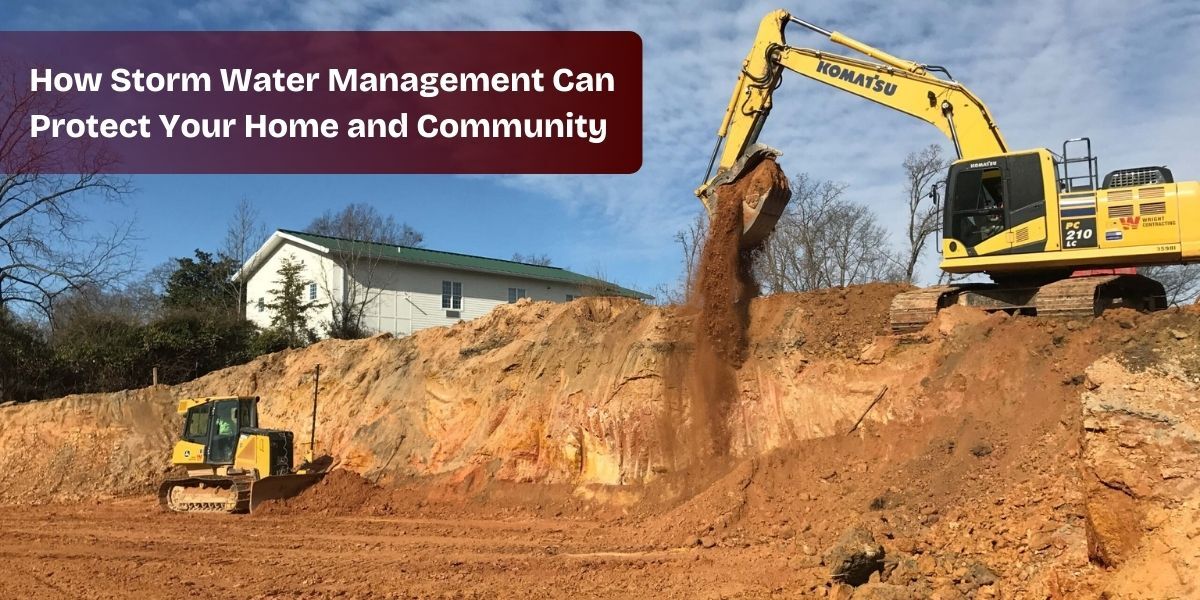
How Storm Water Management Can Protect Your Home and Community

Stormwater management is an important issue that affects homes and communities across the country. As areas become more developed, the amount of paved and impervious surfaces increases. This prevents rain and snowmelt from soaking into the ground, leading to more stormwater runoff. Without proper management, this excess stormwater can lead to flooding, erosion, pollution, and damage to properties and infrastructure. Implementing stormwater management strategies can help reduce these risks and protect homes and communities.

Stormwater Management Techniques

Stormwater management involves urban planning and engineered systems to control runoff. Key techniques include:

1. Green Infrastructure

Green infrastructure uses vegetation, soils, and natural processes to manage water. Examples include:

  • Rain gardens
  • Bioswales
  • Green roofs
  • Porous pavements
  • Planter boxes
  • Vegetated medians
  • Wetlands
  • Urban tree canopy

These features capture rainwater, allowing it to soak into the ground or collect in storage for slow release. Greenspaces also filter out pollutants.

2. Grey Infrastructure

Grey infrastructure refers to the engineered stormwater drainage system. Components include:

  • Street curbs and gutters
  • Storm sewer networks
  • Culverts
  • Catch basins
  • Stormwater ponds and wetlands
  • Infiltration basins

These structures convey, store, and sometimes treat runoff before releasing it into surface waters.

3. Low Impact Development (LID)

LID combines green and grey techniques to control runoff near the source. Examples of LID practices:

  • Permeable pavements
  • Rainwater harvesting
  • Rain gardens
  • Green roofs
  • Bioswales and grading
  • Soil amendments

LID aims to mimic natural hydrology by increasing infiltration and reducing impervious surfaces.

Benefits of Storm Water Management

Stormwater management offers a wide range of benefits that extend beyond simply controlling excess rainwater. By carefully designing and implementing systems that capture, infiltrate, and reuse stormwater, communities and developers can enjoy the following advantages:

Flood Control

  • Catch basins, ponds, wetlands, and other measures attenuate and slow runoff
  • Prevents overloading of storm drains and watercourses during heavy rains
  • Reduces property and street flooding

Improved Water Quality

  • Rain gardens, swales, and other green infrastructure filter out pollutants
  • Grey infrastructure catches trash, debris, and sediments before discharge
  • Reduces contamination of drinking water sources and recreation spots

Increased Groundwater Recharge

  • Pervious pavements and greenspaces allow more water to infiltrate into the soil
  • Replenishes groundwater aquifers

Erosion Control

  • Runoff attenuation and velocity reduction prevent stream bank erosion
  • Stabilizes slopes susceptible to erosion

Habitat Protection

  • Treatment of runoff improves water quality in streams, lakes, and wetlands
  • Healthier aquatic ecosystems support diverse wildlife

Community Benefits

  • The aesthetic value of greenspaces and water features
  • Recreational opportunities
  • Improved air quality
  • Increased property values

Overall, managing stormwater protects the environment while providing healthier and more livable communities.

6 Steps to a Better Water Management Plan

Stormwater management needs to be planned across entire watersheds. Key steps involve:

Step 1: Understanding the Hydrology

Engineers study the terrain, soils, groundwater, drainage patterns, impervious cover, and other factors influencing runoff flow rates and volumes.

Step 2: Identifying Problems

Areas with flooding, erosion, habitat, or contamination problems are identified. Monitoring provides data on water quality and flows.

Step 3: Setting Goals

Goals for stormwater management address problems and risks. Examples are reducing flooding or erosion, improving water quality, or mimicking pre-development hydrology.

Step 4: Selecting BMPs

Best management practices (BMPs), which include green infrastructure, grey infrastructure, and LID techniques, are selected to meet the set goals.

Step 5: Implementation Plan

An implementation plan is developed that identifies BMP locations, design parameters, construction plans, operations and maintenance, monitoring, costs, and responsibilities.

Step 6: Enforcement

Regulations, codes, inspections, and fines enforce properties to install and maintain BMPs. Homeowner education is also key.

Ongoing monitoring and updates ensure stormwater management systems are working properly over the long term.

Storm Water Management in Your Community

Residents should understand their community’s efforts to manage stormwater. Here are some key questions to ask:

  • What major flooding or pollution problems exist in local streams and waterbodies?
  • Has a stormwater management plan been developed for the community? What are the goals?
  • What stormwater practices and projects have already been implemented?
  • Are additional BMPs planned? What kinds and where?
  • How will projects be funded? Through drainage fees, developer rules, grants, utility rates, or other means?
  • Are there any regulations on stormwater management that apply to private properties?
  • Does the stormwater drain on my street connect to green infrastructure or another BMP?
  • What resources are available to help install BMPs on my property?
  • How can I properly maintain BMPs on my property like rain barrels, previous pavers, or swales?
  • What should I do if I see issues like flooding, erosion, or pollution? Who should I contact?

Informed and engaged communities help support effective stormwater management that protects properties, infrastructure, and water resources.

Storm Water Management at Your Property

Homeowners can make a big difference in stormwater management by taking simple yet effective measures right on their property. By reducing runoff, you help protect local waterways, support groundwater recharge, and reduce erosion. Here are some DIY strategies that can help you manage stormwater effectively at home:

  • Downspout Disconnection: Detach roof gutters from drain pipes. Install a rain barrel to collect water or route the downspout to a landscaped area to soak in.
  • Rain Gardens: Install a shallow vegetated basin that collects and infiltrates runoff from roofs, driveways, or yards.
  • Porous Pavements: To allow infiltration through driveways, walkways, or patios, use previous concrete, porous asphalt, permeable pavers, or bricks.
  • Rainwater Harvesting: Collect roof runoff in rain barrels or cisterns to use for watering gardens.
  • Vegetated Swales: Create shallow channels stabilized with grass or other plants to infiltrate and convey runoff.
  • Green Roofs: Install a vegetated roof system that captures and evapotranspires rainfall.
  • Native Landscaping: Plant native trees, shrubs, grasses, and flowers adapted to the local climate and provide habitat.
  • Reduce Turf Grass: Replace water-hungry turf grass with mulch beds, ground cover, gardens, trees, or xeriscaping.

Simple DIY techniques like these allow homeowners to reduce their contribution to stormwater runoff. Check with local authorities on requirements or incentives for on-site stormwater management.

Final Thoughts

Uncontrolled stormwater runoff causes problems like flooding, erosion, habitat damage, and pollution. As urban development covers natural lands with paved surfaces, the risks grow. Wright Contracting specializes in stormwater management solutions, utilizing green infrastructure, grey infrastructure, and low-impact development techniques to control runoff and mitigate these issues. Effective stormwater management requires planning across entire watersheds and communities to identify issues, set goals, select BMPs, and implement solutions. With coordinated efforts, Wright Contracting helps build more sustainable and livable communities by managing stormwater effectively.

Contact Us

    Let's Connect.

    Start your career journey

    Get in touch with our experts

    2026 © Copyright - Wright Contracting

    Site Design by fwd digital marketing